
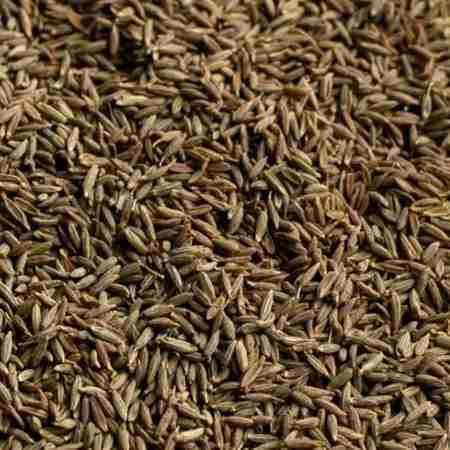
Description ShareTweetPinLinkedInPrintEmail Cumin Seeds (Cuminum Cyminum) HERB COMMON NAME : Cumin HERB SCIENTIFIC NAME : Cuminum Cyminum OTHER NAMES : Cumino, Cumino Aigro, Sanoot, Kimoon FAMILY : Ranunculaceae ASSOCIATIONS & CORRESPONDENCES : Element: Fire Planet: Mars Direction: South Zodiac Sign: Aries Energy: Yang Gender: Masculine Rune: Naudhiz Parts Used: Seed Description: Cumin seed is harvested from a flowering plant in the caraway family that is native to India and the Mediterranean. Cumin has an ancient history, evidenced by its mention in the writings of Hippocrates and its reference in the Bible as a tithing herb, along with mint and anise. Today, cumin seed and powdered cumin is a staple in African, Mediterranean, Indian and Asian cuisines. Like caraway, cumin seed can also be used in baking and to make a mild tea. Cumin seed refers to the seed of Cuminum cyminum, an annual herb related to parsley, dill and caraway. The plant bears a fruit that contains a single, oblong-shaped, highly aromatic seed. Cumin seed is a very popular seasoning in many cultures, most notably Indian, North African, Brazilian and Mexican cuisines. Aside from being a common flavoring in curries, chilis and stews, cumin seed is also used to season classic Dutch cheeses. Cumin is originally native to the Mediterranean and has been cultivated for centuries. The herb is mentioned in the Bible several times and a stash of the seeds were discovered at Tell ed-Der, an ancient city that once stood north of Babylon that dates to the second millennium BC. The Greeks kept cumin seeds in a container at the dining table to be freely dispensed much like pepper is today. Pliny was said to have listed cumin as “the best appetizer of all condiments.” As a culinary flavoring, the seeds may be added to soups, stews and other foods whole or as a ground powder. A good warming digestive, cumin was a favorite culinary spice of Rome and Greece and is still important in cooking in India and Mexico. Cumin was important enough in the past that it was buried with the dead in ancient Egypt so their food would have good flavor in the afterlife. Chemical compounds in cumin seeds are carminative. The seeds may be chewed whole or steeped into a tea. The history of cumin dates all the way back to the ancients. In Ancient Egypt, cumin was used in cooking and was also used in the mummification process. Pliny suggested that smoking the seeds would cultivate a scholarly pallor that implied long hours of scholarly pursuits. Horace referred to the practice as exsangue cuminum or the bloodless pallor from cumin. Cumin was historically used to treat flatulence. Cumin was also used in combination with other herbs as a poultice for the treatment of stitches and other muscle pains. Cumin essential oil was used in strong doses as a light sedative for extremely nervous and excited individuals. Small diluted doses were used to stimulate individuals impaired by disease. Historical Uses: suppresses testosterone levels, reduces male fertility, reduces sex drive in men, triggers miscarriage, acts like estrogen, reduces blood sugar, lowers cholesterol, carminative, treat flatulence, help gas, treat stitches, help muscle pain, light sedative, nervousness, allergies, asthma, diabetes, headache, high blood pressure, digestion, indigestion, rheumatoid arthritis, immune boosting, immunity, anti-inflammatory, inflammation, antibacterial, acne, dry skin, psoriasis, nasal congestion, itching, runny nose, sneezing Mystical Attributes: Burn with frankincense for protection. Mix with salt and scatter to keep away evil spirits and bad luck. Use in love spells. When given to a lover, it promotes fidelity. In Medieval Europe, it was said that cumin seed prevented a true love and barnyard foul from straying; hence it was carried by newlyweds while undertaking their nuptials and frequently fed to chickens and homing pigeons to ensure their return to the roost. Among the Greeks, cumin symbolized excessive desire. Pigeons and other birds like cumin and they were often fed cumin to prevent them from straying. To ensure their men returned home, young women gave their sweethearts bread seasoned with cumin or wine with cumin. In Italy, cumin was mixed with wine or bread and fed to a lover to ensure faithfulness or given to homing pigeons so they would return home. Cumin seed steeped in wine makes a lust potion. Cumin is mentioned as an ingredient (along with grated orange peel, salt, pepper and rue) in a philtre to cause lovers to quarrel in Paul Huson’s “Mastering Witchcraft.” Place the seeds on, in or near an object to prevent theft. It is considered that has the “gift of retention”, which prevents that any object that contains it is stolen. This concept of retention extended to objects, birds and people. Burglars attempting to steal anything that contained cumin would be entrapped within the home of the owners of that item. It is an anti-theft herb in Italy and Germany, where it was considered that a thief (human or otherwise) would not be able to steal the family’s bread if it contained some cumin seeds. Cumin was traditionally burned to repel the evil eye, in which case, consider mixing it 1:4 cumin:olibanum. To help prevent theft, mix a pinch of cumin with frankincense, juniper berries, and vetiver and cense the perimeter of the house and its openings. In Germany and Italy, cumin is put into bread to keep wood spirits from stealing it. If you want to protect a place (your home or business), burn a little cumin with incense, mixed with salt and spread it on the ground to ward off evil. Folklore assumed that someone who was miserly must have eaten cumin. In ancient times, a mixture of cumin, carob, and frankincense was part of a charm bag containing silver talismans with holy names on them. In the Eber papyrus of ancient Egypt, the cumin/carob/frankincense is described as a medicinal powder for driving out the bad influence or energy that causes disease. Cumin is a component in a house blessing incense when ground 1:1 with bay leaf. Cumin is worn by brides to keep negativity away from a wedding. Mystical Intentions: fixing in place, love spells, prevent theft, protection from thieves, repel the evil eye, fidelity potions, cheating spells, protection, lust, deter bad luck, ward off evil spirits, ward off evil spirits, faithfulness, retention, house blessing, marriage, cheating lover, bring back a lover, breaking up lovers Other Uses: Cumin seed can be used in baking and to make a mild tea. The seeds may be chewed whole, or steeped into a tea. As a culinary flavoring, the seeds may be added to soups, stews and other foods whole or as a ground powder. Taste & Smell: Warm and earthy flavor Botany, Cultivation & Harvesting: Cumin was originally cultivated in Iran and the Mediterranean region, introduced to the Americas by Spanish and Portuguese colonists. Today, the plant is mostly grown in China, Uzbekistan, Tajikistan, Iran, Turkey, Morocco, Egypt, Syria, Mexico, Chile and India. Cumin is the dried seed of the herb Cuminum cyminum. The cumin plant grows to 30–50 cm (0.98–1.6 ft) tall and is harvested by hand. It is an annual herbaceous plant, with a slender, branched stem 20–30 cm tall. The leaves are 5–10 cm long, pinnate or bipinnate, with thread-like leaflets. The flowers are small, white or pink, and borne in umbels. The fruit is a lateral fusiform or ovoid achene 4–5 mm long, containing a single seed. Cumin seeds resemble caraway seeds, being oblong in shape, longitudinally ridged, and yellow-brown in color, like other members of the umbelliferae family such as caraway, parsley and dill. Cumin grows best in a sunny location in warm temperate and tropical zones. Prefers a warm fertile well-drained sandy loam soil. Sow seeds in early spring in individual pots in a greenhouse. Grow the plants on fast, and plant them out after the last expected frost. Give the plants some temporary protection such as a cloche for their first few weeks in the open ground to make sure that they keep on growing in the cooler weather of early summer. Harvest the seeds when fully ripe and then dry them thoroughly. Store dried cumin seeds in an airtight container in a cool, dry place. How to Grow Cumin: Soak seeds for 8 hours before sowing. Germinates in 7-14 days at room temperature. Transplant to full sun or direct sow outside about 2 weeks after last frost. In that case, the soil needs to be light because the seedlings are not able to break through heavy soil. You can always sow and then cover lightly with clean (not beach) sand. Looks like dill but is much shorter–6-12″/15-30cm tall. Plant 3-6″/7-15cm apart. This annual tends to self-sow if it has a growing season of 100-120 days. It won’t ripen in very cold climates because the season is not long enough, which gave it the reputation of being a “stingy” plant (and the word “cumin” was applied to Roman misers). Let pods dry on the plant and then harvest by breaking them open. Grows best in Mediterranean climates (warm and dry, NOT hot–in the Middle East, for instance, it is started in fall and harvested in early spring). Contraindications: Black seed oil may slow blood clotting and increase the risk of bleeding. Therefore, should not be taken if you have a bleeding disorder or take medication that affects blood clotting. Stop taking at least two weeks before a scheduled surgery. May cause allergic reaction when applied directly to skin. Sources: https://spiritartsandherbs.com/sources **IMPORTANT INFORMATON: Products are sold as curio items for entertainment purposes only and based upon historical and magical uses. We do not imply or guarantee that any items provide specific abilities, powers, outcomes, remedies, or treatments. Any information provided on listings or through private conversation is intended for educational purposes only and are based on historical folklore and traditions, and should not replace the advice of a physician. Use our products at your own risk. By purchasing this item, you understand and release Spirit Arts & Herbs Inc from any liability. No items we sell are for internal use and should never be ingested for any reason. Some may also not be safe for topical application, or even be safe to touch while unprotected. Always use proper safety precautions when using our products. We will not be held responsible for illness, injury, or death from the use of any product. PRODUCT IS NOT A TREATMENT. This product has not been evaluated by the Food and Drug Administration. Not intended to diagnose, treat, cure, or prevent any disease. CAUTION : Do not use ANY product if pregnant or nursing. Do not use if allergic to any ingredients. Prior to use, consult with your professional health-care provider to ensure safe use and understand effects that ingredients may cause relative to safety, personal conditions, and medication interactions which may be harmful. FOR ADULT USE ONLY. By purchasing, you confirm that you are over 18 years of age. Keep out of reach of children and pets. Do not use more than recommended by your healthcare professional. Purchase of this product indicates that you have read, understand, and agree to Spirit Arts & Herbs Terms and Conditions. Many of our products are hand made to order. Once orders are in processing, products are non-cancellable, non-refundable, and not returnable. Shipping times may be up to 3-4 weeks. ShareTweetPinLinkedInPrintEmail Related